
An automatic lubricator supplies a defined lubrication point with the required amount of grease or oil, either continuously or at preset intervals. Automatic relubrication helps maintain a consistent lubricant supply, reduces the risk of over- and under-lubrication and supports reliable machine operation. Correctly selected and adjusted systems can reduce maintenance effort, minimise lubricant-related wear and improve workplace safety.
- Consistent lubricant supply instead of repetitive manual relubrication
- Reduced risk of over- and under-lubrication
- Lower maintenance effort and more predictable maintenance intervals
- Suitable for hard-to-reach and safety-critical lubrication points
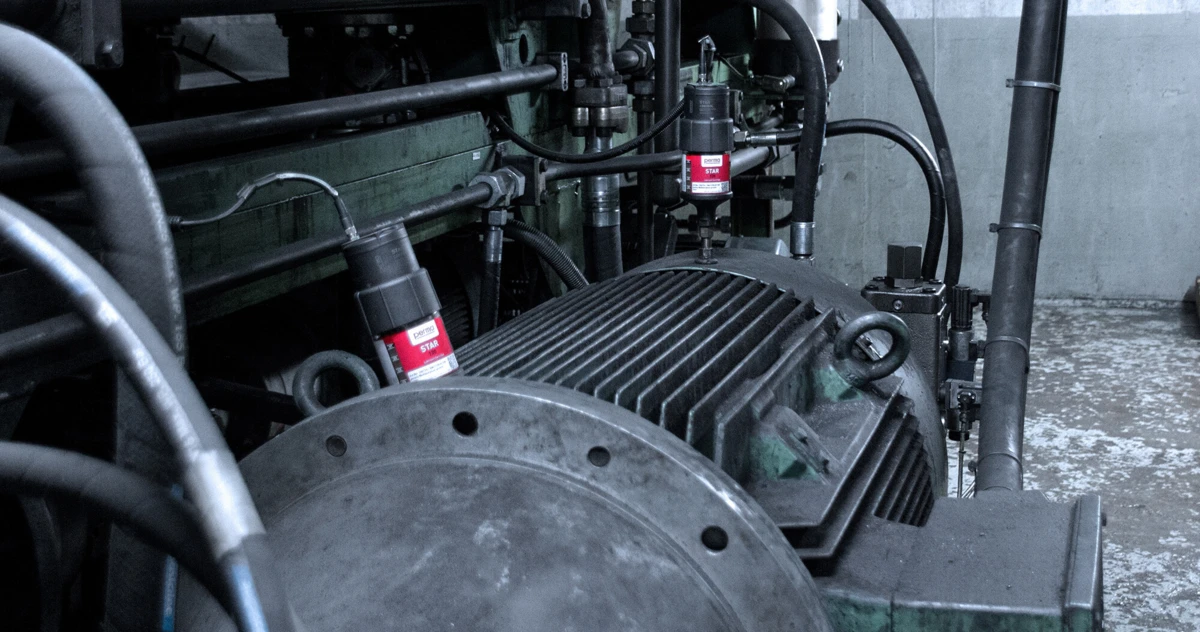
What is an automatic lubricator?
An automatic lubricator is a compact lubrication system that independently delivers grease or oil to a defined lubrication point over a preset period. The lubricant quantity and dispensing rate are adapted to the requirements of the machine component, ensuring regular relubrication without the need for repeated manual intervention.
Automatic lubricators are particularly suitable for machinery requiring frequent relubrication, continuous operation or lubrication at difficult-to-access locations. Unlike manual lubrication, where lubricant is applied at individual maintenance intervals, automatic systems deliver controlled quantities according to a predefined setting.
Components of an automatic lubricator
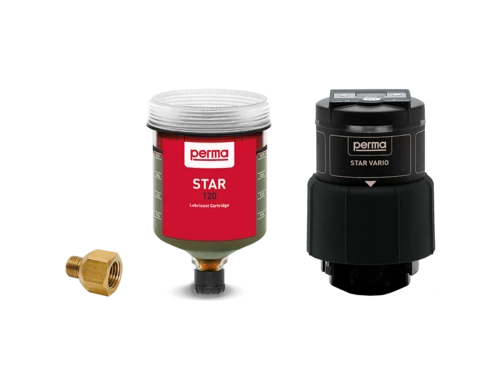
An automatic lubricator generally consists of a lubricant cartridge (LC), a drive mechanism and an outlet connected to the lubrication point. The reservoir contains a defined quantity of grease or oil, while the drive mechanism generates the pressure required to transport the lubricant towards the outlet.
Depending on the system design, additional components may include electronic controls, status indicators, batteries or connections for an external power supply. For remote installation, suitable lubrication lines, mounting brackets and connection fittings are required.
What is the purpose of an automatic lubricator?
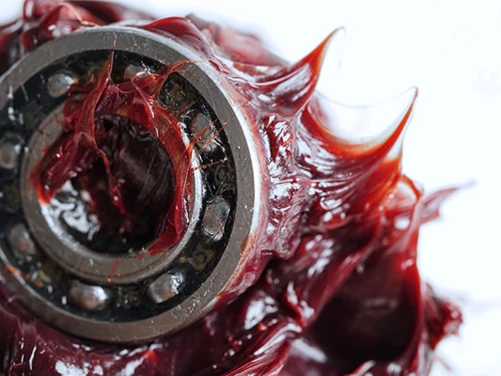
The primary function of an automatic lubricator is to maintain a reliable lubricant supply at the connected lubrication point. Regular relubrication helps replenish lubricant that has been displaced, consumed or degraded during operation and supports the formation and maintenance of an adequate lubricating film between moving surfaces.
By standardising dispensing intervals and lubricant quantities, automatic lubricators reduce variations associated with manual relubrication. Depending on the application, fresh lubricant can also help displace moisture and contaminants from the lubrication point.
How does an automatic lubricator work?
An automatic lubricator delivers grease or oil through a controlled dispensing mechanism. Depending on the technology, pressure is generated electrochemically or electromechanically to move lubricant from the cartridge towards the outlet. The lubricant is then supplied continuously or at defined intervals over a preset dispensing period.
The dispensing rate must be adapted to the component's actual relubrication requirements. For reliable operation, the available delivery pressure must overcome resistance within the lubrication point and any connected lubrication lines.
Lubricant dispensing over a defined period
Before commissioning, the required dispensing period is selected according to the lubricant quantity and operating conditions of the machine. The lubricant contained in the reservoir is then delivered progressively throughout this period.
The average lubricant delivery rate depends on the reservoir capacity and the selected dispensing period. Correct adjustment is essential to ensure that the lubrication point receives the required quantity without excessive lubricant consumption or premature depletion of the reservoir.
Changes in operating hours, speed, load or ambient conditions may require the dispensing settings to be reassessed.
Pressure generation and lubricant delivery
The drive mechanism generates the pressure required to transport lubricant through the system. Electrochemical lubricators use gas pressure generated by a controlled chemical reaction, while electromechanical lubricators employ a motor-driven dispensing mechanism.
The available delivery pressure must be sufficient to overcome the resistance of lubrication channels, fittings and any connected lubrication lines. Lubricant consistency, temperature, line diameter and line length influence the actual flow resistance and must be considered when selecting the system.
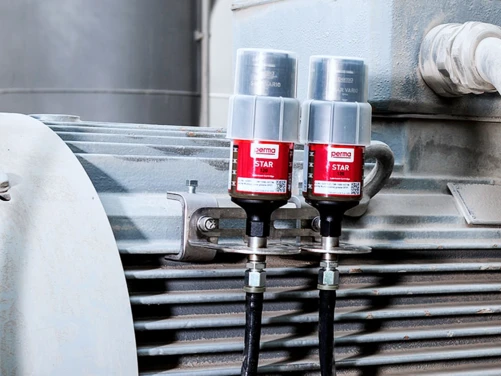
Direct and remote installation
With direct installation, the automatic lubricator is mounted directly at the lubrication point. This minimises the delivery distance and reduces additional flow resistance.
Remote installation may be preferable when lubrication points are difficult to access or exposed to high temperatures, strong vibrations or restricted installation space. In these cases, the lubricator is installed at a suitable location and connected to the lubrication point through a lubrication line.
The delivery pressure, lubricant properties, line dimensions and mounting components must be matched to ensure reliable lubricant transport.
Automatic grease lubrication for industrial machinery
Automatic grease lubrication supplies bearings and other friction points with small, controlled quantities of lubricating grease over a defined period. The grease forms a lubricating film between moving surfaces, helping to reduce friction, minimise direct metal-to-metal contact and limit wear.
The required grease quantity depends on the component design, operating speed, load, operating hours and environmental conditions. Particularly in continuously operating industrial machinery, regular grease replenishment helps maintain adequate lubrication without relying exclusively on manual maintenance intervals.
Differences compared to manual relubrication
Manual relubrication requires maintenance personnel to access lubrication points at defined intervals and apply grease or oil. The reliability of this process depends on adherence to maintenance schedules and the quantity of lubricant applied.
Automatic lubricators replace these repetitive tasks with controlled lubricant dispensing. Depending on the system and application, relubrication can take place during machine operation without requiring a separate shutdown for each lubrication cycle.
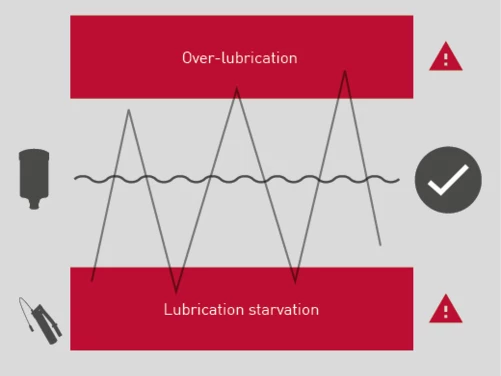
Automatic vs. manual lubrication
| Criterion | Manual lubrication | Automatic lubrication |
|---|---|---|
| Lubricant supply | Applied manually at maintenance intervals | Continuous or interval-based |
| Dispensing | Depends on manual application | Controlled according to predefined settings |
| Accessibility | Direct access generally required | Direct or remote installation possible |
| Machine operation | May rewuire planned shutdowns | Lubrication during operation possible |
| Maintenance effort | Regular manual intervention | Reduced and more predictable |
| Monitoring | Manual inspection | Manual or digital monitoring, depending on the system |
Continuous and interval-based lubrication
Depending on the operating principle, automatic lubricators deliver lubricant continuously or in defined dispensing cycles. Continuous lubrication distributes the required lubricant quantity progressively throughout the selected dispensing period. Electromechanical systems can deliver controlled quantities at specific intervals.
Both methods aim to provide a more consistent lubricant supply than conventional manual relubrication with larger quantities applied at longer intervals. The appropriate method depends on the lubrication point, operating conditions and technical characteristics of the system.
Preventing over- and under-lubrication
Insufficient lubrication can result in inadequate lubricant film formation, increased friction, higher operating temperatures and premature component wear. Excessive grease supply can increase churning losses and heat generation, particularly in rolling bearings, and may lead to unwanted grease leakage.
Automatic lubricators help reduce these risks by delivering smaller, controlled lubricant quantities at regular intervals. However, correct system adjustment is essential. The required relubrication quantity must be determined using the component manufacturer's specifications and the actual operating conditions.
Benefits of automatic lubricators in industrial maintenance
Automatic lubricators combine controlled lubricant delivery with more predictable maintenance processes. They can be used on individual machines or across industrial installations with numerous decentralised lubrication points. The actual benefits depend on correct system selection, suitable lubricant properties, professional installation and regular functional checks.
Improved equipment reliability and
reduced wear
Reliable lubrication is essential for maintaining the performance and service life of bearings and other moving machine components. Automatic lubricators supply defined quantities of lubricant at regular intervals, helping to maintain an adequate lubricant film between moving surfaces.
This can reduce friction-related wear and minimise the risk of premature component failure caused by insufficient lubrication. By reducing missed or delayed relubrication, automatic lubrication can
also contribute to more reliable production processes and improved equipment availability.
Reduced maintenance effort and predictable maintenance intervals
Automatic lubricators reduce the number of repetitive manual relubrication tasks. Maintenance personnel need to access widely distributed lubrication points less frequently solely to replenish lubricant.
Defined dispensing periods allow lubricator replacements and inspections to be incorporated into scheduled maintenance activities. This makes maintenance routes easier to organise and enables maintenance teams to allocate more time to inspections, troubleshooting and other technical tasks.
Improved workplace safety
Lubrication points are often located at height, behind protective guards or close to moving machine components. Manual relubrication may therefore require access to potentially hazardous areas.
Automatic lubricators reduce the frequency of interventions directly at the lubrication point. Remote installation can further improve accessibility by positioning the lubricator at a safer location. Applicable safety procedures and machine-specific protective measures remain essential.
Efficient lubricant consumption
A correctly adjusted automatic lubricator supplies the calculated relubrication quantity over a defined period. This improves the predictability of lubricant consumption and reduces the risk of excessive grease application.
Compared with uncontrolled manual relubrication, demand-based lubricant delivery can help minimise unnecessary lubricant consumption, reduce grease leakage and improve cleanliness around machinery.
What types of automatic lubricators are available?
Automatic lubricators differ in their drive technology, lubricant capacity, delivery pressure, control options and number of lubrication points supplied. The appropriate system depends on the technical requirements of the application.
Electrochemical lubricators use a controlled chemical reaction to generate gas pressure inside the lubrication system. The resulting pressure moves a piston, gradually dispensing grease or oil from the reservoir to the lubrication point over a defined period.
These systems are generally compact, self-contained and do not require an external power supply. They are particularly suitable for applications requiring straightforward installation and automatic relubrication.
However, ambient temperature, lubricant consistency and backpressure can influence their dispensing behaviour and must be considered when selecting the appropriate system.
Electromechanical lubricators use a motor-driven mechanism to deliver defined lubricant quantities at controlled intervals. Depending on the system design, they offer precise dispensing control and higher delivery pressures than electrochemical systems.
This makes them suitable for applications involving remote installation, longer lubrication lines or increased backpressure. Additional functions may include electronic status indicators, machine-controlled operation, external power supply and digital monitoring.
For example, perma STAR VARIO provides a pressure build-up of up to 7.5 bar, while perma ULTRA offers up to 50 bar for applications with higher pressure requirements.
A single-point lubricator supplies one defined lubrication point with grease or oil. Each system can be adjusted individually according to the lubricant requirements of the connected component.
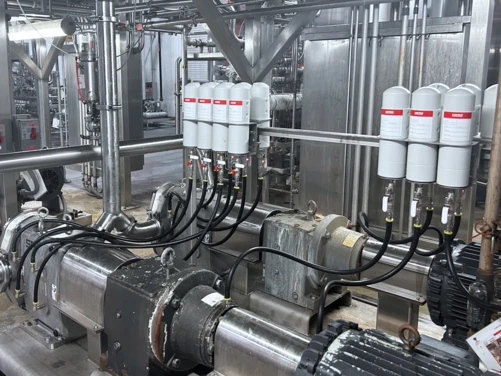
A multi-point lubrication system distributes lubricant from one common reservoir to several lubrication points. Depending on the system design, the lubricant quantity can be adjusted individually for each outlet to match the requirements of the respective lubrication point.
Multi-point systems are particularly suitable for machinery with several lubrication points located close together. The system design must account for lubricant distribution, line lengths, delivery pressure and the required lubricant quantities.
Smart lubricators combine automatic lubricant dispensing with electronic control and digital monitoring functions. Depending on the system, operating status, dispensing settings and maintenance-related information can be monitored digitally.
In industrial applications, connected lubricators enable remote lubrication point management and status monitoring. Maintenance teams can access relevant system data without physically inspecting every lubrication point, helping them identify maintenance requirements, plan interventions and reduce manual inspection effort.
By providing digital lubrication data, smart lubricators support more efficient, data-driven maintenance processes. When combined with relevant machine condition data, they can also contribute to condition-based and predictive maintenance strategies.
Typical applications of automatic lubricators
Automatic lubricators are used across industrial sectors wherever machine components require regular relubrication. They are particularly relevant for continuously operating machinery, decentralised lubrication points and locations that are difficult or unsafe to access manually.
Rolling and plain bearings
Rolling and plain bearings require an adequate lubricant film to minimise friction and direct surface contact. During operation, lubricant can lose its effectiveness due to mechanical stress, ageing or displacement.
Automatic lubricators replenish lubricant at regular intervals. The required quantity depends on bearing type, dimensions, operating speed, load, temperature and operating hours. Both insufficient and excessive grease supply can negatively affect bearing performance.
Electric motors, pumps and fans
Electric motors, pumps and fans often operate continuously under demanding conditions. Their bearings require reliable lubrication to minimise friction, control operating temperatures and reduce premature wear.
Automatic lubricators provide regular relubrication over a defined period. The dispensing quantity must be adapted to bearing dimensions, rotational speed, operating hours and the manufacturer's lubrication specifications.
Conveyors, chains and open gears
Conveyor systems often contain numerous lubrication points distributed across large installations. Decentralised automatic lubricators allow individual points to be supplied according to their specific lubrication requirements.
For chains, lubricant must reach the friction surfaces between pins, bushes and rollers. Open gears require suitable lubricant application to the loaded tooth flanks. Dust, moisture, vibration and other environmental influences must be considered when selecting the lubrication system.
Linear guides and spindles
Linear guides and spindles require a consistent lubricant supply to minimise friction, reduce wear and maintain accurate movement. Automatic lubricators can deliver small quantities of grease or oil to the relevant contact surfaces.
The lubricant type and dispensing quantity must be matched to the guide design, operating speed, load and environmental conditions. Existing lubrication channels, distributors and connection points must also be considered.
How to choose the right automatic lubricator
Selecting the appropriate automatic lubricator requires a systematic assessment of the lubrication point and its operating conditions. Reservoir capacity or dispensing period alone is insufficient to determine whether a system is technically suitable.
The lubricant, required delivery pressure, installation method, power supply and monitoring requirements must be considered together.
Key selection criteria:
- Lubricant type: Determine whether grease or oil is required and verify compatibility with the lubricator and machine component.
- Relubrication quantity: Calculate the required lubricant quantity using component specifications, operating speed, load and operating hours.
- Dispensing period: Select a dispensing period that provides the required lubricant quantity over the intended operating time.
- Temperature and backpressure: Consider ambient temperature, lubricant consistency and resistance within the lubrication point.
- Installation position and tube length: Determine whether direct or remote installation is appropriate and verify the available delivery pressure.
- Power supply and monitoring: Select a self-contained, battery-operated, externally powered or connected system according to the application requirements.
For remote installations, particular attention must be paid to the interaction between lubricant consistency, temperature, line diameter, line length and delivery pressure. Before commissioning, it must be ensured that the required lubricant quantity can reliably reach the lubrication point under actual operating conditions.
Describe your machine, lubrication point and operating conditions. perma will help you select the appropriate automatic lubricator for your application.
Automatic lubricators from perma
With more than 60 years of experience in automatic lubrication, perma develops lubrication solutions for industrial machinery and maintenance applications worldwide. The perma portfolio includes electrochemical and electromechanical single-point lubricators as well as multi-point lubrication systems. Different product lines cover a wide range of lubricant capacities, dispensing periods, pressure requirements and control options. With perma CONNECT, compatible systems can also be integrated into digital lubrication point management, supporting remote monitoring and more efficient maintenance planning.
perma supports customers throughout the lubrication process, from application assessment and system selection to installation, commissioning, documentation and training.
Frequently asked questions about automatic lubricators
An automatic lubricator uses an electrochemical or electromechanical drive mechanism to generate the pressure required for lubricant delivery. A piston or comparable dispensing mechanism moves the grease or oil towards the system outlet. The lubricant is delivered directly or through a lubrication line to the lubrication point in controlled quantities, either continuously or at defined intervals.
Electrochemical lubricators generate gas pressure through a controlled chemical reaction, which moves a piston inside the lubricant reservoir. Electromechanical lubricators use a motor-driven dispensing mechanism and generally offer more precise dispensing control and higher delivery pressures. The appropriate technology depends on temperature, backpressure, lubrication line length, installation conditions and control requirements.
Automatic lubrication provides a consistent, controlled lubricant supply, helping to maintain an adequate lubricating film and reduce friction and component wear. Correctly adjusted systems minimise the risk of over- and under-lubrication, improve equipment reliability and reduce maintenance effort. By reducing the need for manual intervention in potentially hazardous areas, automatic lubrication also contributes to improved workplace safety.
Selecting the right automatic lubricator requires an assessment of the lubrication point, lubricant type, required relubrication quantity and dispensing period. Additional selection criteria include ambient temperature, backpressure, lubrication line length, installation position, power supply and monitoring requirements. The system must be capable of delivering the required lubricant quantity reliably under actual operating conditions.
Connected automatic lubricators equipped with wireless communication technology can be monitored remotely via a digital platform and the appropriate communication infrastructure. With perma CONNECT and the respective gateway, maintenance teams can remotely manage lubrication points, monitor system status and access relevant lubrication data. This reduces the need for manual inspections and supports data-driven maintenance planning.